Jl. petitenget. Seminyak, Bali

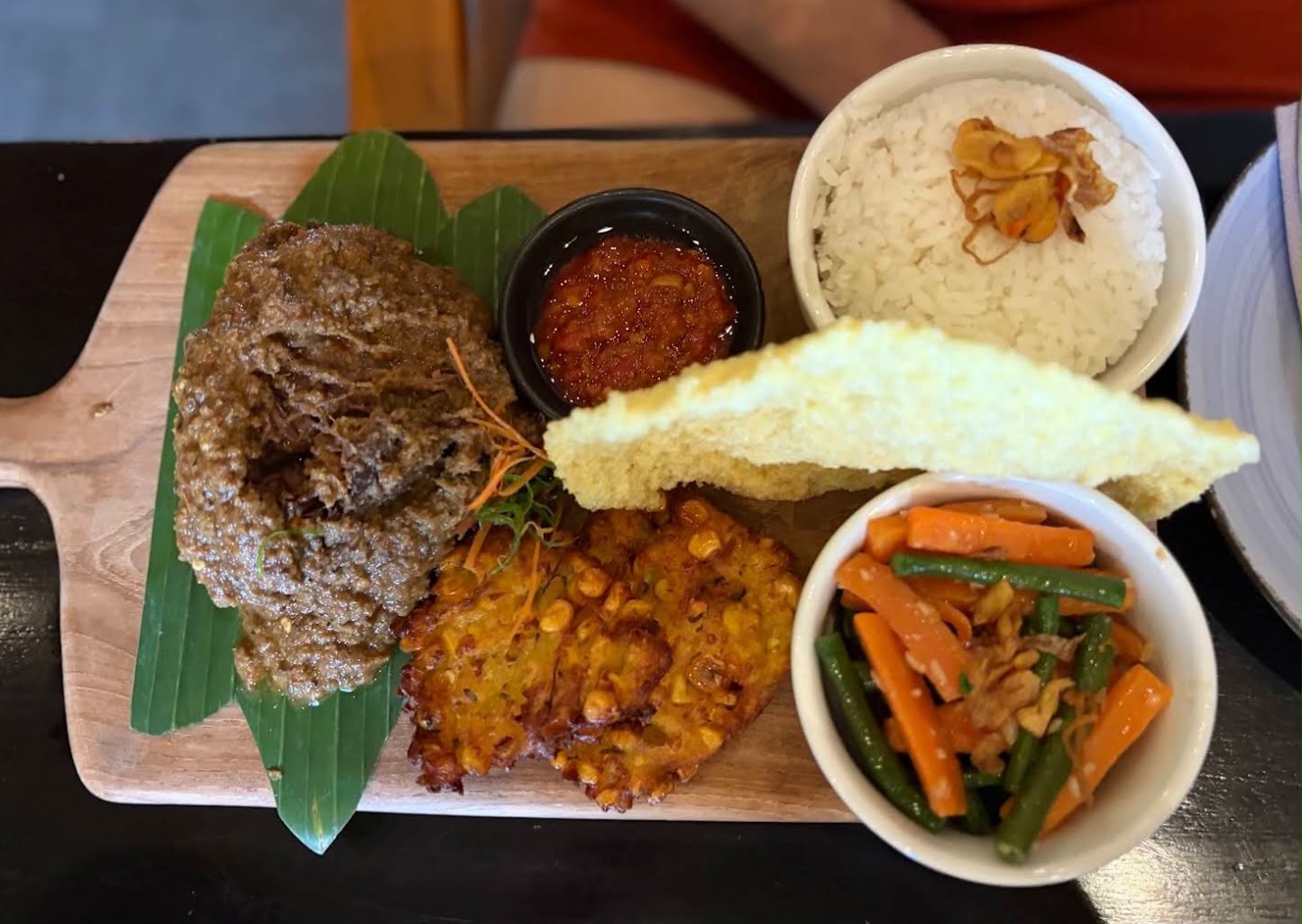
Some dishes satisfy your hunger. Others tell a story.
Rendang belongs to the second category. It’s not famous simply because it tastes incredible—it’s celebrated because every serving represents generations of tradition, patience, and craftsmanship. Long before it became recognised as one of the world’s most iconic dishes, rendang was already a symbol of Indonesian culture.
So, what separates an ordinary rendang from an unforgettable one?
1. It Begins Long Before the Cooking Starts
Great rendang isn’t created by following a recipe—it starts with choosing the right ingredients.
Fresh beef, creamy coconut milk, fragrant herbs, and hand-selected spices all play an equally important role. Every ingredient contributes a layer of flavour, creating the richness that makes rendang unlike any other Indonesian dish.
Rather than overpowering the palate, each spice complements the next.
2. Patience Is the Main Ingredient
Imagine standing beside a stove for four or five hours, slowly stirring a pot while the aroma fills the room.
That’s how authentic rendang is made.
There are no shortcuts. The beef gently absorbs every spice while the coconut milk slowly reduces into a thick, intensely flavoured sauce.
By the end of the process, the meat becomes so tender it almost falls apart with a fork.
The result?
Not just cooked beef—but beef transformed into something extraordinary.
3. Every Spice Has a Purpose
One reason rendang tastes so complex is because no single ingredient dominates.
Instead, the flavours work together.
| Ingredient | What It Brings |
| Lemongrass | Fresh citrus aroma |
| Galangal | Earthy warmth |
| Ginger | Gentle spice |
| Turmeric | Colour and depth |
| Coconut Milk | Creamy richness |
| Kaffir Lime Leaves | Bright fragrance |
| Chilli | Balanced heat |
| Cinnamon & Cloves | Subtle sweetness |
Together, they create the unmistakable character of authentic rendang.
4. It’s More Than Food
Across Indonesia, rendang isn’t an everyday meal.
It’s served during weddings, religious celebrations, family reunions, and important occasions. Preparing rendang often brings families together, with recipes passed from grandparents to younger generations.
That’s why every plate carries more than flavour.
It carries memories.
It carries tradition.
It carries Indonesian culture.
What Makes Authentic Rendang Different?
You can usually recognise authentic rendang by these qualities:
✔ Beef that’s incredibly tender without falling apart.
✔ A dark, rich sauce instead of a watery curry.
✔ Layers of flavour that continue to develop with every bite.
✔ A balance of savoury, sweet, aromatic, and mildly spicy notes.
✔ A finish that leaves you wanting just one more spoonful.
Where to Enjoy Authentic Rendang in Seminyak
If you’re searching for authentic Indonesian food in Bali, Menjamu Seminyak is one of the best places to experience traditional rendang.
Rather than rushing the cooking process, the kitchen embraces traditional techniques that allow the spices and coconut milk to develop naturally over time. The result is a beautifully balanced rendang that reflects the depth and authenticity of Indonesian cuisine.
Located in the heart of Seminyak, Menjamu is more than a restaurant—it’s a place where visitors can discover Indonesia’s rich culinary heritage through thoughtfully prepared local dishes, warm hospitality, and flavours that stay true to tradition.
Whether you’re visiting Bali for the first time or you’re already a fan of Indonesian food, Menjamu Seminyak offers a dining experience that’s both authentic and memorable.
Final Bite
Great rendang isn’t defined by one secret ingredient.
It’s the combination of fresh spices, premium ingredients, slow cooking, and generations of culinary tradition that make this legendary dish so unforgettable.
The next time you enjoy a plate of rendang, remember that you’re tasting hours of patience and centuries of Indonesian heritage.
And if you’re looking to experience it at its finest, let Menjamu Seminyak introduce you to the true flavour of one of Indonesia’s most treasured dishes.