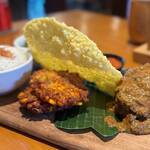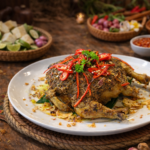
Think you’ve discovered Indonesian food after trying Nasi Goreng? Think again. From slow-cooked Beef Rendang and smoky Balinese satay to traditional duck dishes, discover the incredible flavours waiting beyond Bali’s most familiar fried rice.
For many travellers, their first introduction to Indonesian cuisine begins with a plate of Nasi Goreng. It is comforting, flavourful, easy to find, and almost impossible not to enjoy. But Bali’s food scene has so much more to offer. Behind the island’s beach clubs, stylish cafés, and sunset restaurants is a fascinating culinary world filled with traditional recipes, fragrant spices, fresh ingredients, and dishes that tell stories about Indonesian culture.
Every region has its own specialities, cooking methods, and flavour combinations. Some dishes are slowly cooked for hours, while others are freshly grilled over charcoal or prepared using traditional spice pastes passed down through generations. So, if you are wondering what to eat in Bali beyond Nasi Goreng, it is time to explore a little further.
Here are some delicious Indonesian and Balinese dishes that deserve a place on your Bali food bucket list.
1. Start with Rendang: Indonesia’s Famous Slow-Cooked Masterpiece
The first dish to try if you want to understand the depth of Indonesian flavours is Beef Rendang. Originally from the Minangkabau culture of West Sumatra, Rendang is a traditional dish made by slowly cooking beef in coconut milk, herbs, and a carefully balanced blend of spices. The cooking process is what makes it special. As the liquid gradually reduces, the meat absorbs the seasoning, developing a rich, complex flavour and a wonderfully tender texture.
Expect layers of aromatic spices, a hint of coconut sweetness, and a deeply savoury finish. Rendang is traditionally served with steamed rice, although it can also be enjoyed as part of a larger Indonesian meal. Why you should try it: If you love rich, flavourful dishes, Rendang is an excellent introduction to the diversity of Indonesian cuisine.
Where to enjoy it: Menjamu Seminyak is a place to discover Indonesian culinary favourites, with Beef Rendang among the highlights worth trying.
2. Sate Lilit: Bali’s Take on Traditional Satay
Forget everything you know about ordinary chicken satay for a moment. Bali has its own distinctive version, and it is called Sate Lilit. Unlike traditional satay made from chunks of meat threaded onto skewers, Sate Lilit uses minced fish, chicken, or pork mixed with grated coconut and a fragrant blend of Balinese spices. The mixture is wrapped around bamboo sticks or lemongrass stalks before being grilled.
As it cooks, the aroma of the spices combines with the smoky fragrance of the grill, creating a dish that is simple but full of character. It is commonly served with rice, vegetables, and sambal, or included as part of a traditional Balinese food platter. Why you should try it: It is one of the best ways to experience the distinctive spice combinations that make Balinese cooking so recognisable.
A little tip: Try Sate Lilit made with lemongrass sticks for an extra aromatic touch.
3. Babi Guling: The Crispy, Flavourful Balinese Favourite
If you are a pork lover, Babi Guling is a dish you should not leave Bali without trying. This iconic Balinese speciality features a whole pig seasoned with a mixture of local spices before being slowly roasted over an open fire. The result is tender, flavourful meat and the famous crispy skin that makes the dish so popular. A traditional serving usually includes rice, pork preparations, crispy skin, vegetables, and sambal. Babi Guling is also closely connected to Balinese celebrations and ceremonial traditions, making it an important part of the island’s food culture.
Why you should try it: Beyond its delicious taste, Babi Guling offers a glimpse into the traditional food heritage of Bali.
Where to enjoy it: Warung Babi Guling Pak Malen on Sunset Road is a well-known option for visitors exploring this speciality around Seminyak.
Please note that Babi Guling contains pork and is not suitable for halal diets.
4. Ayam Betutu: A Celebration of Balinese Spices
Some dishes are all about speed and convenience. Ayam Betutu is quite the opposite. This traditional Balinese chicken dish is prepared using a rich mixture of herbs and spices known as base genep. The seasoning typically includes shallots, garlic, turmeric, ginger, galangal, chillies, and other aromatic ingredients. The chicken is coated with the mixture, wrapped in banana leaves, and slowly cooked until tender.
The result is incredibly fragrant chicken with spices that have had plenty of time to develop their flavour. Ayam Betutu is often served with steamed rice, vegetables, and sambal, making it a satisfying meal for lunch or dinner.
Why you should try it: It showcases how traditional Balinese cooking transforms simple ingredients into something extraordinary through patience and carefully balanced spices.
5. Bebek Timbungan: Discover a Traditional Duck Preparation
For travellers who want something beyond the usual chicken and beef dishes, Bebek Timbungan is worth discovering. This traditional Balinese duck speciality is associated with cooking duck in bamboo using local herbs and spices. The preparation allows the duck to absorb the aromatic seasoning as it cooks, creating a tender texture and distinctive flavour.
Bebek Timbungan is particularly interesting because it reflects traditional Balinese cooking techniques and the island’s connection to natural ingredients. It is not always as familiar to international visitors as Babi Guling or Nasi Campur, which makes discovering it even more exciting.
Why you should try it: It is an opportunity to experience a lesser-known side of Balinese cuisine and explore a traditional way of preparing meat.
6. Lawar: A Dish That Tells a Story About Balinese Food Culture
Lawar is one of those dishes that gives you a better understanding of what makes Balinese food different. It is traditionally prepared using finely chopped vegetables, grated coconut, minced meat, and a mixture of local spices. There are several varieties of Lawar, with ingredients and preparation methods varying between regions and households. Some versions include green beans or young jackfruit, while others feature pork or chicken.
Lawar is commonly served alongside Babi Guling and other traditional dishes, adding freshness, texture, and aromatic seasoning to the meal. Why you should try it: It introduces you to the combination of vegetables, coconut, meat, and spices that is characteristic of traditional Balinese cuisine.
7. Pepes Ikan: Fresh Fish Wrapped in Banana Leaves
Not every memorable Indonesian dish needs to be rich or heavily spiced. Pepes Ikan offers a different kind of experience, bringing together fresh fish, herbs, and aromatic spices in a traditional cooking method. The fish is seasoned, wrapped in banana leaves, and steamed or grilled until cooked. The banana leaves help retain moisture while allowing the ingredients to develop their aroma.
Depending on the recipe, the seasoning may include turmeric, shallots, garlic, chillies, lemongrass, and other local ingredients. The result is tender, fragrant fish that pairs beautifully with steamed rice and fresh vegetables.
Why you should try it: It is a wonderful choice for seafood lovers who want to discover a lighter side of Indonesian cooking.
8. Gado-Gado: Indonesian Comfort Food with a Fresh Twist
If you are looking for something vegetable-based, Gado-Gado is a delicious option. Often described as an Indonesian salad, this dish combines cooked vegetables, tofu, tempeh, boiled eggs, and sometimes potatoes, all brought together with a generous peanut sauce. The sauce is the real highlight. It is creamy, nutty, savoury, and slightly sweet, creating a delicious contrast with the fresh ingredients. Gado-Gado is popular across Indonesia and is a great example of how everyday ingredients can become a satisfying traditional meal.
Why you should try it: It offers a different texture and flavour experience compared with the grilled and slow-cooked dishes commonly associated with Indonesian food.
9. Sambal Matah: The Small Addition That Changes Everything
Sometimes, discovering Indonesian food is not just about ordering a new main course. It is also about experiencing the condiments that make each meal special. Sambal Matah is a traditional Balinese raw sambal made with finely chopped shallots, chillies, lemongrass, kaffir lime leaves, lime juice, and coconut oil. Unlike cooked sambals, its ingredients are kept fresh, creating a refreshing aroma with a spicy, citrusy kick. It is commonly served with grilled fish, chicken, seafood, and rice dishes. A little Sambal Matah can completely change the flavour of a meal.
Why you should try it: It is one of the easiest ways to experience the fresh, aromatic character of Balinese cuisine.
10. Indonesian Rijsttafel: When One Dish Is Simply Not Enough
What if you could try several Indonesian specialities without having to choose just one? That is the beauty of Indonesian Rijsttafel-style dining. Inspired by Indonesia’s diverse culinary traditions, Rijsttafel brings together a selection of dishes served as part of one meal. Depending on the restaurant, the spread may include Rendang, satay, chicken, vegetables, rice, sambal, and other traditional accompaniments.
Each dish contributes a different flavour and texture, creating a dining experience that celebrates the variety of Indonesian cuisine. It is particularly enjoyable when dining with friends, family, or anyone who loves discovering new food.
Why you should try it: Rather than experiencing just one regional speciality, you get to explore several Indonesian flavours around the same table.
Where to experience it: Menjamu Seminyak is worth adding to your culinary itinerary if you want to explore Indonesian and Balinese flavours through a more varied dining experience.
Where to Discover These Flavours in Bali
Knowing what to eat is one thing, but knowing where to find a memorable meal makes all the difference. If you are staying around Seminyak, here are a few places worth exploring.
Menjamu Seminyak – Discover Indonesia Beyond the Familiar
For anyone interested in exploring Indonesian cuisine beyond Nasi Goreng, Menjamu Seminyak offers an opportunity to discover traditional flavours in a welcoming dining environment. Rather than focusing on just one familiar Indonesian dish, Menjamu celebrates a wider selection of culinary traditions through recipes, ingredients, and flavours that reflect Indonesia’s rich food heritage. Its Beef Rendang is a highlight for guests who appreciate slow-cooked dishes with deep, aromatic flavours.
Visitors can also explore traditional specialities and Balinese Rijsttafel-style dining, making it a great place to experience several Indonesian flavours in one visit. But the experience does not have to end at the dining table. For those who want to understand the food beyond its taste, Menjamu also offers cooking class experiences where guests can discover traditional ingredients, learn about local spices, and explore Indonesian cooking techniques. It is an especially interesting experience for travellers who want to bring home more than just memories of Bali.
Perfect for: Food lovers, couples, families, and travellers interested in Indonesian culture and culinary traditions.
Warung Nia – For Smoky Grilled Flavours
If you enjoy grilled meat and hearty meals, Warung Nia is another Seminyak dining destination worth visiting. The restaurant is particularly known for its BBQ Pork Ribs and offers a relaxed setting for enjoying grilled specialities and Indonesian-inspired dishes.
Perfect for: Travellers who love grilled food and generous portions.
Warung Babi Guling Pak Malen – For a Traditional Balinese Favourite
For an introduction to one of Bali’s most famous traditional dishes, Warung Babi Guling Pak Malen is a well-known stop around the Seminyak area. Its speciality is Babi Guling, served with rice and a selection of traditional pork accompaniments.
Perfect for: Pork lovers who want to experience an iconic Balinese meal.
Why Indonesian Food Is Worth Exploring Beyond the Tourist Favourites
One of the most interesting things about Indonesian cuisine is that there is no single flavour that defines it. The country’s food traditions are shaped by geography, local ingredients, cultural influences, and generations of cooking knowledge. A dish from Sumatra can taste completely different from one prepared in Bali, Java, or Sulawesi. Even within Bali, traditional recipes and preparation methods can vary between villages and families.
Some dishes are built around coconut milk and rich spices. Others highlight fresh herbs, grilled ingredients, or the natural sweetness of local produce. Exploring Indonesian food is therefore a little like travelling across the country without leaving your dining table. It is also a reminder that food is more than something we eat. It carries memories, traditions, and a connection to the people who prepare it.
Take Your Culinary Adventure Further with a Balinese Cooking Class
Tasting traditional Indonesian food is a wonderful way to explore Bali, but learning how it is prepared takes the experience to another level. Have you ever wondered what gives Rendang its rich flavour? Or why Balinese dishes often use such a distinctive combination of fresh herbs and spices?
A cooking class allows you to discover the answers firsthand. At Menjamu Seminyak, guests can explore Indonesian and Balinese culinary traditions through an engaging hands-on cooking experience. From learning about traditional ingredients to understanding how local spices work together, the experience offers a closer look at the techniques behind Indonesian favourites.
It is a fun activity for couples, families, friends, and curious food lovers who want to experience Bali in a more meaningful way. You may arrive knowing only Nasi Goreng, but leave with a much greater appreciation for Indonesian cuisine.
Frequently Asked Questions
What are the best traditional foods to try in Bali besides Nasi Goreng?
Some of the best dishes to explore include Beef Rendang, Sate Lilit, Babi Guling, Ayam Betutu, Bebek Timbungan, Lawar, Pepes Ikan, and Gado-Gado. Each offers a different taste of Indonesian and Balinese culinary traditions.
What is the most famous traditional Balinese food?
Babi Guling, Sate Lilit, Ayam Betutu, and Lawar are among Bali’s best-known traditional dishes. They showcase the island’s distinctive ingredients, spices, and cooking techniques.
Where can I try authentic Indonesian food in Seminyak?
Menjamu Seminyak is a great option for discovering Indonesian and Balinese culinary favourites, including Beef Rendang and traditional rice platters. Other places worth exploring include Warung Nia and Warung Babi Guling Pak Malen.
Is Indonesian food always spicy?
Not necessarily. Some dishes contain chillies and spicy sambal, while others are more aromatic, savoury, or mildly sweet. Most restaurants can help adjust the spice level according to your preference.
What Indonesian food is suitable for vegetarians?
Gado-Gado, vegetable-based Lawar, and certain tempeh and tofu dishes can be suitable options. However, traditional recipes sometimes contain shrimp paste, meat stock, or other animal-derived ingredients, so always check with the restaurant.
Can I learn to cook traditional Balinese food in Seminyak?
Yes. Menjamu Seminyak offers cooking class experiences where visitors can explore Indonesian and Balinese recipes, learn about local spices, and discover traditional cooking techniques.
Go Beyond Nasi Goreng. Discover the Real Flavours of Indonesia.
Nasi Goreng might be the dish that first introduces you to Indonesian food, but it certainly should not be the last. From the richness of Beef Rendang and the smoky aroma of Sate Lilit to the traditional preparation of Bebek Timbungan, Bali offers an incredible variety of flavours waiting to be explored. Each dish tells a different story, offering a glimpse into the ingredients, traditions, and culinary creativity that make Indonesian food so special.
So, on your next visit to Bali, be a little adventurous with your food choices. Try something new, ask about the ingredients, discover traditional recipes, and let every meal become part of your travel experience. And when you are ready to explore Indonesian cuisine beyond the familiar, make Menjamu Seminyak part of your journey.
Come for the flavours. Stay for the culture. Discover Indonesia, one dish at a time.